Full Mouth Dental Implant Costs Explained: From Basic to Advanced Solutions
Full Mouth Dental Implant Costs Explained: From Basic to Advanced Solutions
Full mouth dental implants are considered one of the most comprehensive tooth replacement solutions for patients who have lost most or all of their teeth. While the benefits of improved function, stability, and long-term durability are well recognized, the cost of full mouth dental implants is often a major concern for patients in the United States.
This educational guide explains how full mouth dental implant costs are structured, why prices can vary widely, and how different treatment approaches—from basic to advanced solutions—impact overall pricing. The goal is to help patients understand the financial aspects of treatment without promoting or endorsing any specific provider or service.
Disclaimer: This content is for informational purposes only and does not substitute professional dental or medical advice. Individual treatment needs and costs may vary. Patients should consult a licensed dental professional for personalized recommendations.
What Are Full Mouth Dental Implants?
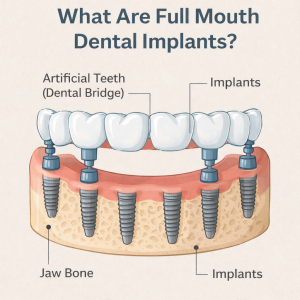
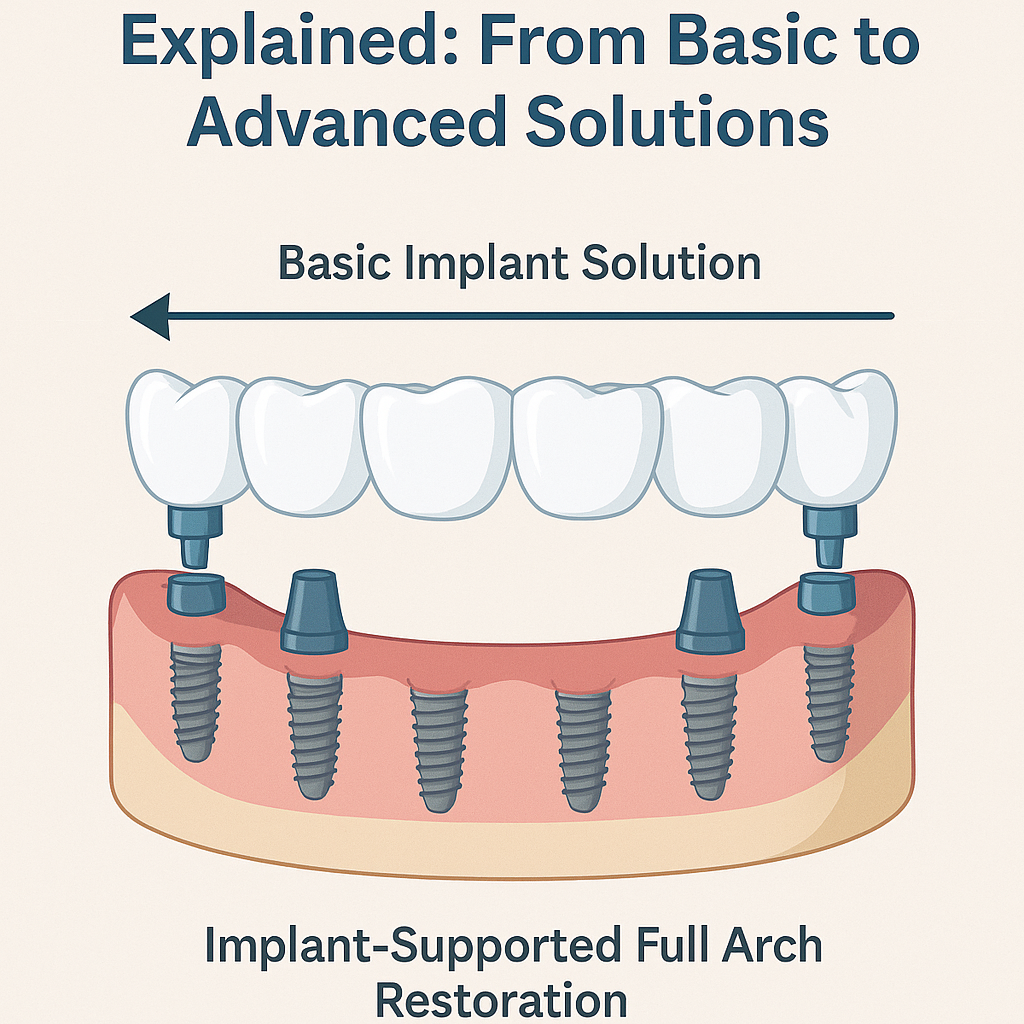
Full mouth dental implants refer to implant-supported restorations designed to replace an entire upper arch, lower arch, or both. Unlike removable dentures, these restorations are anchored to dental implants placed within the jawbone, providing increased stability and functionality.
Depending on the treatment plan, full mouth implant solutions may involve:
- A fixed prosthesis supported by multiple implants
- A removable implant-supported denture
- Advanced implant techniques for patients with significant bone loss
The number of implants used, the type of prosthetic restoration, and the complexity of the procedure all play a significant role in determining total cost.
Average Full Mouth Dental Implant Costs in the USA
In the United States, full mouth dental implant costs can vary significantly based on clinical complexity and treatment approach. While exact pricing is not standardized, general cost ranges are often reported as follows:
- $20,000 to $35,000 per arch for more basic implant-supported solutions
- $40,000 to $60,000 or more for advanced full mouth implant treatments
These estimates typically reflect comprehensive treatment, including implant placement and final restorations. However, additional procedures may increase total costs.
Patients should be cautious when comparing prices, as lower-cost options may not include all necessary components of treatment.
Why Full Mouth Implant Costs Vary So Widely
Unlike single tooth replacements, full mouth dental implants involve complex treatment planning and multiple surgical and restorative steps. Several factors contribute to the wide variation in pricing.
Number of Dental Implants Required
Some full mouth solutions rely on a reduced number of implants, while others use a greater number to provide additional support. Fewer implants may lower surgical costs but can require advanced techniques or specialized prosthetic designs.
Type of Prosthetic Restoration
The material and design of the final prosthesis significantly influence cost. Options may include:
- Acrylic-based prosthetics
- Porcelain-fused-to-metal restorations
- Full-arch zirconia bridges
Higher-end materials often involve more complex laboratory work and increased durability.
Diagnostic Technology and Treatment Planning
Advanced diagnostic tools, such as 3D CBCT imaging and digital treatment planning, are essential for full mouth implant cases. While these technologies improve accuracy and safety, they can also increase overall treatment costs.
Basic Full Mouth Dental Implant Solutions
Basic full mouth implant solutions are typically designed for patients with sufficient bone volume and relatively straightforward clinical needs.
These approaches may include:
- Implant-supported removable dentures
- Fixed restorations supported by a moderate number of implants
While often more affordable than advanced solutions, basic approaches may have limitations in terms of aesthetics, materials, or long-term customization.
Advanced Full Mouth Dental Implant Solutions
Advanced implant solutions are often recommended for patients with significant bone loss, complex bite issues, or higher aesthetic expectations.
These solutions may involve:
- Angled implant placement techniques
- Immediate-load protocols
- Custom-designed full-arch restorations
Because of their complexity, advanced treatments typically require specialized training, advanced technology, and extended planning, all of which contribute to higher overall costs.
Understanding Cost vs Value in Full Mouth Implant Treatment
While cost is an important consideration, full mouth dental implants should also be evaluated in terms of long-term value. Treatment quality, provider experience, and material selection can influence durability, comfort, and patient satisfaction over time.
Patients are encouraged to focus on comprehensive treatment planning and realistic expectations rather than cost alone.
Full Mouth Dental Implant Costs by Procedure Type
Full mouth dental implant costs are heavily influenced by the specific treatment approach used. Different procedures vary in complexity, number of implants required, and restorative materials, all of which affect pricing.
Traditional Full Mouth Dental Implants
Traditional full mouth implant treatment typically involves placing a larger number of dental implants to support a fixed prosthesis. This approach often requires:
- Six to eight implants per arch
- Extended healing periods
- Multiple surgical and restorative stages
Because of the increased number of implants and treatment steps, traditional full mouth implant solutions are often among the more expensive options.
This approach may be suitable for patients with adequate bone volume and those seeking highly customized restorations.
All-on-4 Dental Implant Cost Overview
The All-on-4 technique is designed to support a full arch prosthesis using four strategically placed implants. Angled posterior implants help maximize available bone and reduce the need for bone grafting.
Cost considerations for All-on-4 include:
- Reduced number of implants
- Potential for immediate-load temporary teeth
- Specialized surgical expertise
While All-on-4 may lower implant placement costs, advanced planning and prosthetic design still contribute to overall pricing.
All-on-6 Dental Implant Cost Overview
All-on-6 treatments use six implants per arch to provide additional support and load distribution. This approach may be recommended for patients with higher bite forces or specific anatomical considerations.
Compared to All-on-4, All-on-6 solutions may:
- Increase implant placement costs
- Enhance long-term stability
- Allow for certain prosthetic design options
The increased number of implants typically results in higher overall treatment costs.
Zygomatic and Advanced Implant Techniques
For patients with severe upper jaw bone loss, advanced techniques such as zygomatic implants may be considered. These implants anchor into the cheekbone rather than the jawbone.
Because of their complexity, advanced implant solutions often involve:
- Specialized surgical training
- Advanced imaging and planning
- Hospital or surgical center settings
These factors place advanced implant procedures at the higher end of the cost spectrum.
What’s Typically Included in Full Mouth Dental Implant Costs
While inclusions vary between providers, comprehensive full mouth implant treatment plans often include several key components.
Initial Consultation and Treatment Planning
This phase involves clinical examination, review of medical history, and discussion of treatment options. Advanced planning software may be used to design implant placement and prosthetic outcomes.
Diagnostic Imaging
Three-dimensional CBCT scans and digital impressions are commonly used to assess bone structure and plan implant positioning.
Implant Surgery
Implant placement surgery generally includes local anesthesia, surgical fees, and use of sterile surgical facilities.
Follow-Up Appointments
Post-surgical evaluations and healing assessments are often included in comprehensive pricing.
Final Prosthetic Restoration
The final full-arch restoration may include custom-fabricated prosthetic teeth designed for function, comfort, and aesthetics.
What’s Often Not Included in Full Mouth Implant Pricing
Patients should be aware that certain services may not be included in the initial cost estimate.
- Tooth extractions
- Bone grafting procedures
- Sinus lift surgery
- Advanced sedation or anesthesia
- Temporary prosthetics beyond standard protocols
These additional services can significantly affect total treatment costs and should be discussed during the consultation phase.
Additional Factors That Can Increase Total Costs
Bone Grafting and Site Preparation
Patients with insufficient bone volume may require grafting to support implants. The extent and type of grafting influence cost.
Sedation and Anesthesia Options
While local anesthesia is often included, IV sedation or general anesthesia typically incurs additional fees.
Extended Healing or Revision Procedures
Complex cases may require staged treatments or additional visits, which can increase overall costs.
Why Comparing Full Mouth Implant Prices Can Be Misleading
Price comparisons without understanding what is included can lead to inaccurate conclusions. Treatment plans vary widely, and lower advertised prices may exclude essential services.
Patients are encouraged to request detailed treatment breakdowns and prioritize quality and long-term outcomes over cost alone.
Does Dental Insurance Cover Full Mouth Dental Implant Costs?
One of the most common questions patients ask in the United States is whether dental insurance helps cover the cost of full mouth dental implants. In general, traditional dental insurance plans provide limited coverage for implant-based treatments.
Insurance plans may partially cover certain components of treatment, such as:
- Initial consultations and examinations
- Diagnostic imaging, including X-rays
- Extractions or preparatory procedures
- Portions of the prosthetic restoration
However, the implant surgery itself and advanced procedures are often subject to exclusions, waiting periods, or annual maximums. Coverage varies widely depending on the insurance provider and individual plan.
Patients are encouraged to consult their insurance coordinator or provider directly to understand potential benefits before beginning treatment.
Financing Options for Full Mouth Dental Implants
Given the significant investment involved, many patients explore financing options to help manage the cost of full mouth dental implants.
Common financing solutions in the U.S. include:
- In-house payment plans offered by dental practices
- Third-party healthcare financing providers
- Health Savings Accounts (HSA)
- Flexible Spending Accounts (FSA)
Financing options vary in terms of interest rates, repayment periods, and eligibility. Patients should carefully review all terms before committing to a payment plan.
Long-Term Cost Considerations and Value
While full mouth dental implants often involve higher upfront costs, they are designed as a long-term tooth replacement solution. When evaluating overall value, patients may consider durability, function, and long-term maintenance requirements.
Factors that influence long-term value include:
- Quality of implant materials
- Experience of the dental provider
- Patient oral hygiene habits
- Regular dental follow-up care
In comparison, alternative tooth replacement options may require more frequent repairs or replacements over time, which can increase cumulative costs.
Full Mouth Dental Implants vs Other Tooth Replacement Options
Full Mouth Implants vs Traditional Dentures
Traditional dentures typically have lower initial costs but may require relining, replacement, and ongoing adjustments. Implant-supported restorations offer increased stability and may reduce long-term maintenance needs.
Full Mouth Implants vs Implant-Supported Dentures
Implant-supported dentures represent a middle-ground option, offering improved retention compared to traditional dentures while often costing less than fully fixed implant bridges.
The most appropriate option depends on clinical needs, budget considerations, and patient expectations.
Frequently Asked Questions About Full Mouth Dental Implant Costs
How long does full mouth dental implant treatment take?
The overall treatment timeline can range from several months to over a year, depending on healing requirements, additional procedures, and prosthetic fabrication.
Can full mouth implant costs increase after treatment begins?
Additional procedures, such as bone grafting or extended care, may increase total costs if they are not included in the initial treatment plan.
Are full mouth dental implants safe?
When performed by qualified dental professionals, full mouth dental implants have high success rates. As with any surgical procedure, risks should be discussed during consultation.
Is traveling for full mouth dental implants cost-effective?
Some patients consider treatment abroad due to lower advertised prices. However, travel, follow-up care, and continuity of treatment should be carefully evaluated.
Questions to Ask Before Starting Full Mouth Implant Treatment
To make informed decisions, patients may consider asking their provider the following questions:
- What is included in the total quoted cost?
- Which procedures may involve additional fees?
- What materials will be used for the final restoration?
- What follow-up care is included?
Final Thoughts on Full Mouth Dental Implant Costs
Full mouth dental implant treatment represents a significant investment in oral health, comfort, and function. Understanding how costs are structured—from basic to advanced solutions—allows patients to evaluate options more confidently.
Rather than focusing solely on price, patients are encouraged to consider treatment quality, provider expertise, and long-term outcomes when making decisions.
Final Disclaimer: This article is intended for educational purposes only and should not be considered medical or dental advice. Always consult a licensed dental professional to determine the most appropriate treatment plan for your individual needs.
According to the American Dental Association (ADA), dental implants are a commonly used tooth replacement option in modern dentistry.
Source:
American Dental Association – Dental Implants
The American Academy of Implant Dentistry provides educational information on implant-based treatments and planning considerations.
Reference:
American Academy of Implant Dentistry
Related Posts

Leave a Comment
Your comment will be published after it has been approved. Please send comments that do not contain slang words.